
11 November 2025
ComfortDelGro’s rail business advances its environmental efforts and helps define the future of transport
As cities race towards net-zero goals, rail is emerging not just as a mode of transport but as a critical part of how cities reduce emissions. Electrified rail networks offer a cleaner alternative to private vehicles and reduce road congestion, local air and noise pollution – factors that improve liveability. Per passenger-kilometre, rail is also more energy-efficient than road transport, helping cities to cut emissions faster.
ComfortDelGro’s Group Chief Sustainability and Risk Officer Jonathan Jong explains that transport accounts for a quarter of all energy-related greenhouse gas emissions, with land transport being the largest source. “As a global mobility leader, we have a responsibility towards a cleaner and more sustainable transport system,” he says.
ComfortDelGro’s rail network is already fully electric, and this sits within the company’s long-standing commitment to operate and maintain its rail assets responsibly while integrating rail with other modes of transport to support the cities of the future. The company puts commitment into practice by deploying smart systems that optimise energy usage and enable multimodal journeys that make greener choices more accessible and travel more sustainable. Across operations, the company also adopts green procurement standards and reduces maintenance-related waste by extending the lifespan of parts, minimising rework through a first-time-right approach and practising responsible disposal.
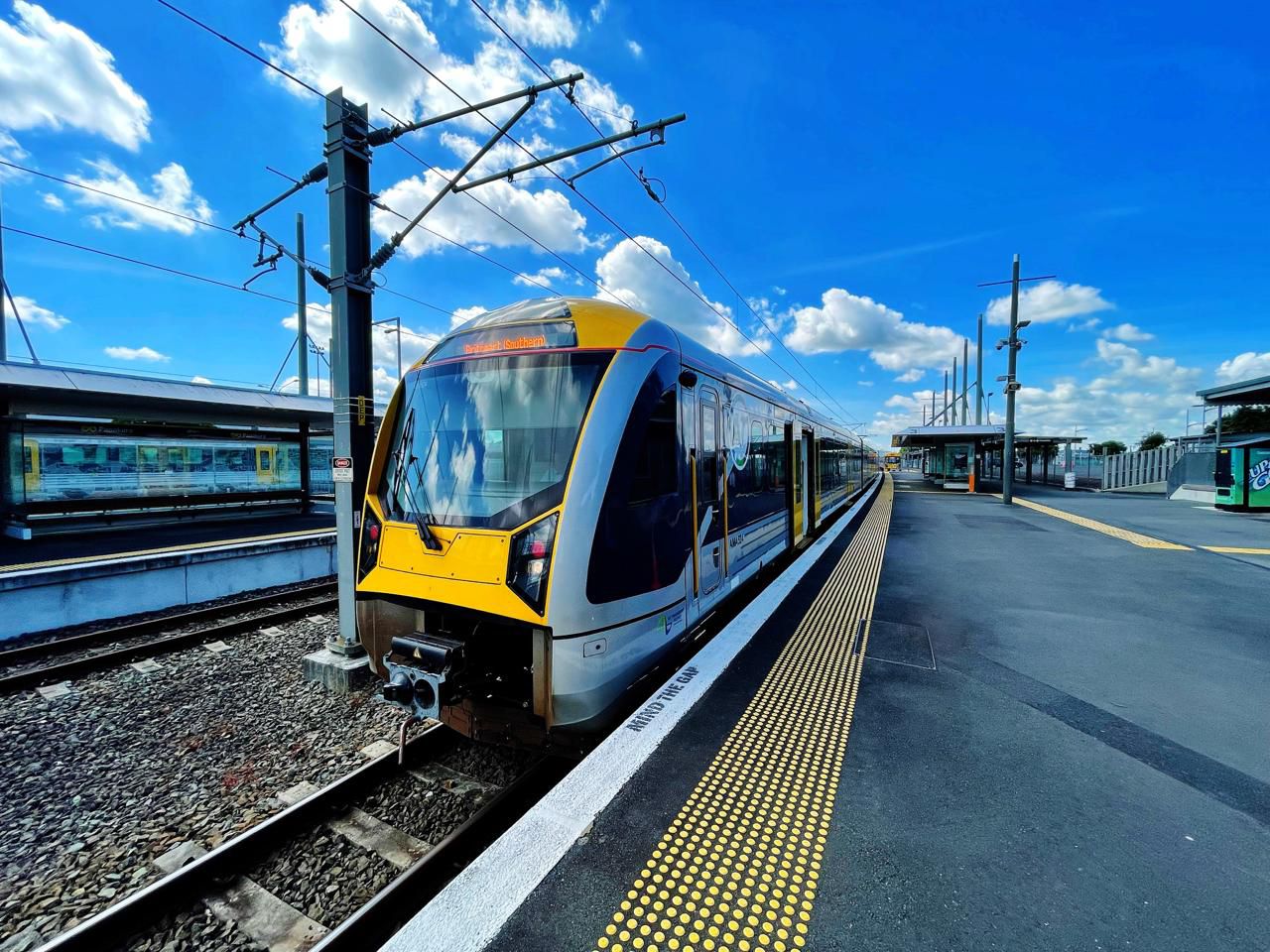
This approach is consistent across markets. In New Zealand, its joint venture Auckland One Rail, phased out its last remaining diesel train in 2023 – a milestone that underscores its ongoing focus on energy efficiency and environmental performance, strengthened through smarter use of data, asset management and system integration.
Smart Systems, Cleaner Rail
Across the business, artificial intelligence (AI) and data analytics help to improve operations and reduce environmental impact. Initiatives include predictive maintenance, energy recovery, and timetable optimisation.
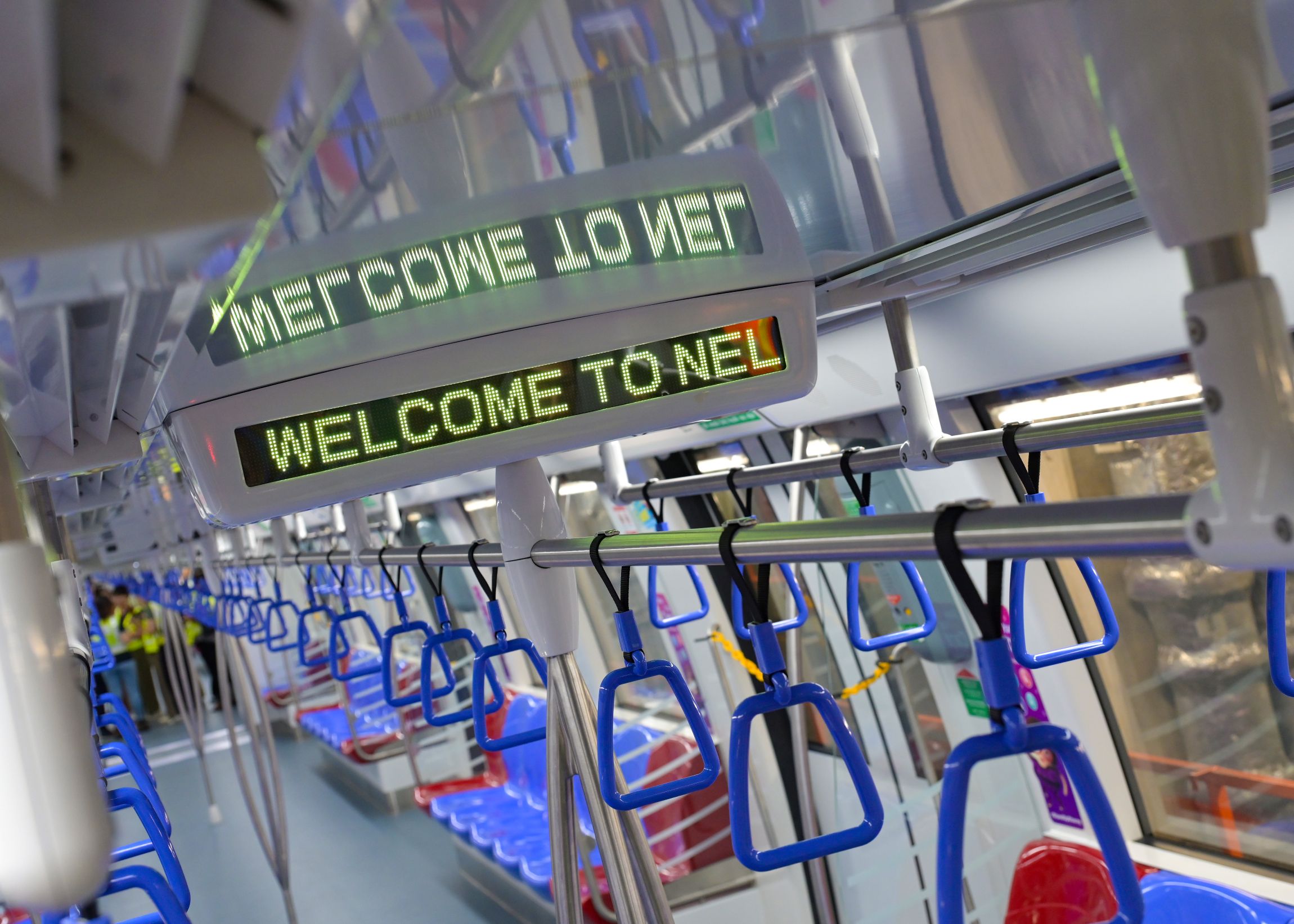
In Singapore, its Maintenance and Engineering Centre serves as a centralised hub to aggregate and monitor data from several condition monitoring sources installed across its rail assets. Proprietary tools such as 4Sight and 6Sense synchronise and analyse incoming data to help identify issues early, improve troubleshooting to avoid unnecessary part replacements, and optimise maintenance cycles. This results in reduced asset downtime, fewer materials used, and more reliable service.
ComfortDelGro is currently conducting trials in regenerative braking where energy from braking trains is recaptured and made available to nearby accelerating trains. This approach can save up to 1,800 megawatt-hours of energy annually – enough to fully charge around 30,000 electric cars and help to improve energy efficiency and power quality across the system.
The company is also rethinking how it schedules train operations to save energy in real time. With Siemens Mobility, it is trialling ControlGuide AIRO (Artificial Intelligence Responsive Operation) which dynamically adjusts train schedules using real-time data across trains and at stations, as well as average waiting times at the platforms. This helps to reduce idling, manage peak demand and improve energy efficiency without affecting service quality.
Driving Accountability Through Action
As an international mobility operator, it is crucial for ComfortDelGro to deliver clean, low carbon transport solutions. As such, the company is targeting to reach net zero by 2050 in line with Article 6 of the Paris Agreement. To get there, the company has set ambitious targets validated by SBTi of achieving a 54.6% reduction in absolute Scope 1 and Scope 2 Greenhouse gas (GHG) emissions from operations, along with a 61.2% reduction in absolute Scope 3 Category 3 (fuel- and energy-related activities) GHG emissions by 2032, using 2019 as the baseline year.
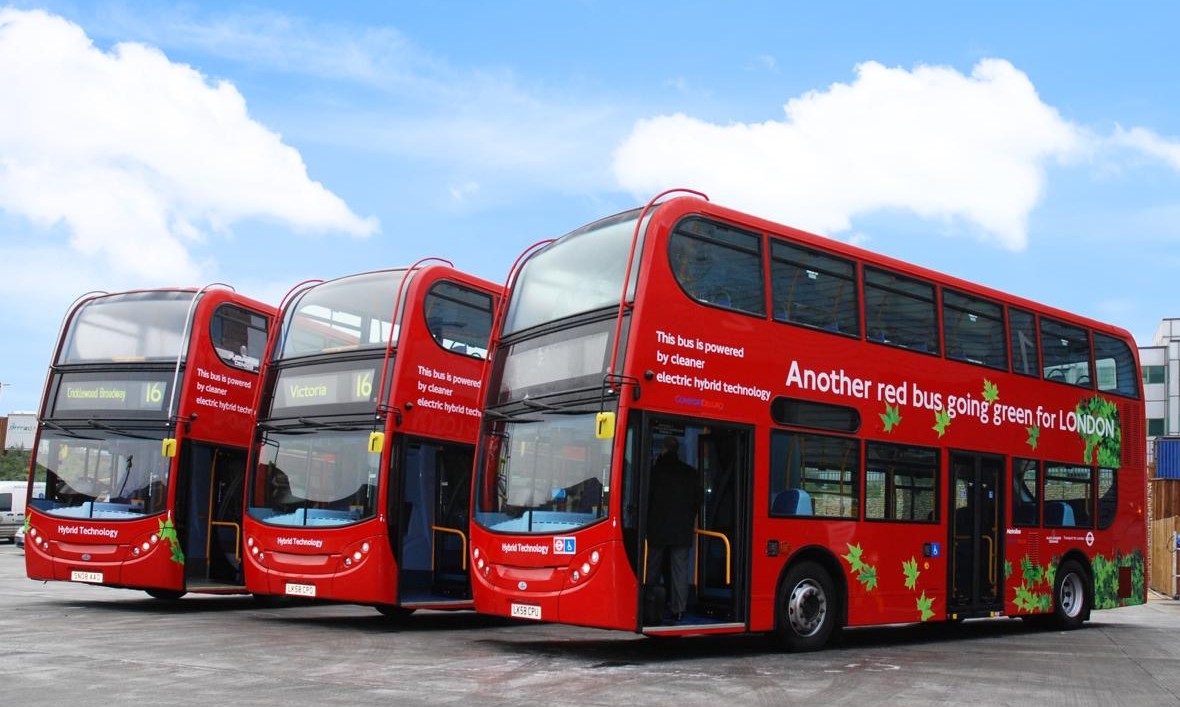
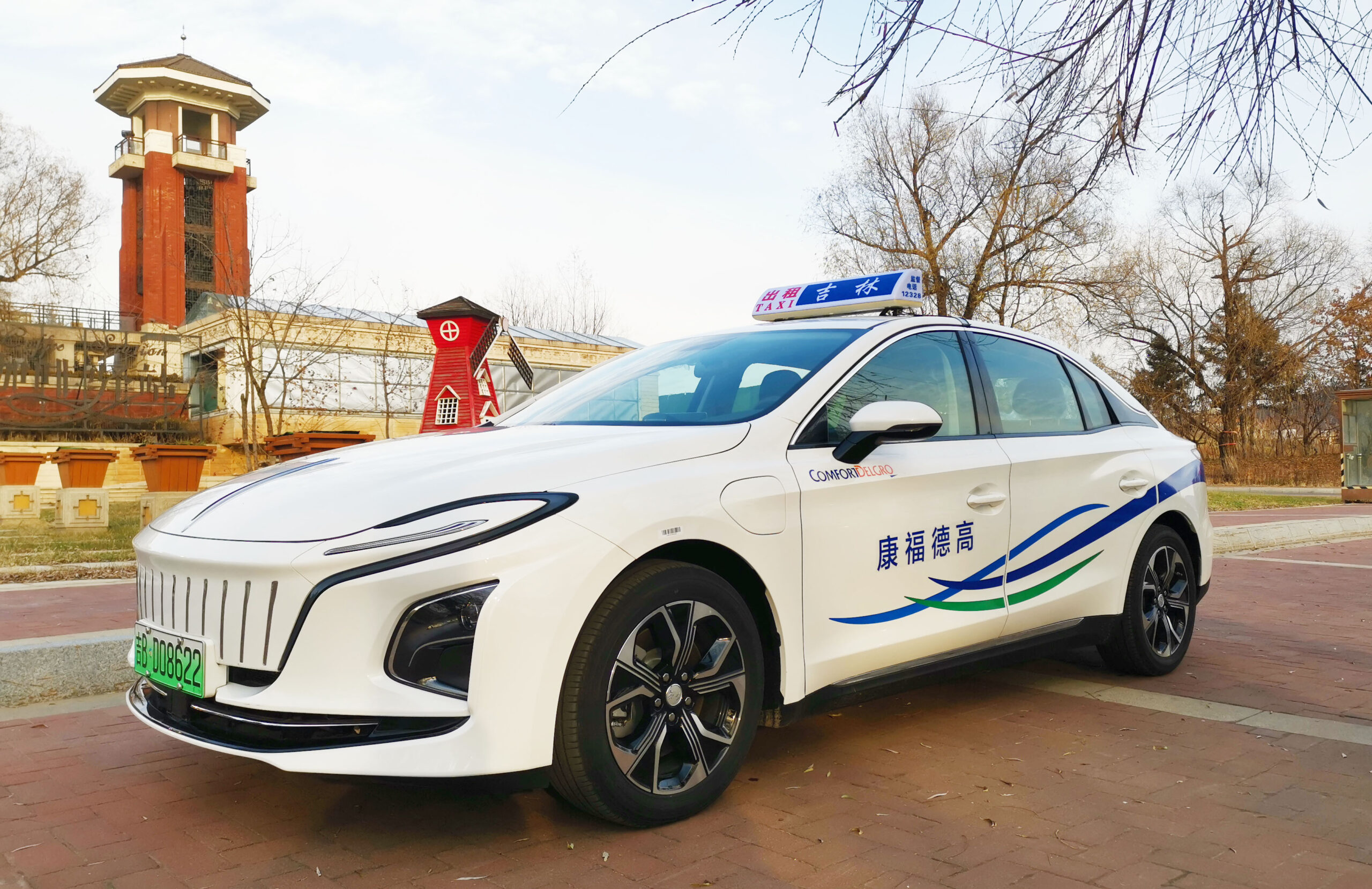
While rail is already electric, other parts of its business – like buses and cars – are catching up. The company aims to progressively transition its bus and car fleets from 60% today to a fully cleaner energy fleet in 2040. It is also expanding EV charging infrastructure in Malaysia, Singapore and China and running hydrogen bus pilots in the UK and Australia. In the UK, the company operates two fully electric bus depots, with its Greater Manchester depot being the first in the area to fully electrify its fleet.
A US$100 million corporate venture capital fund backs sustainable transport technologies in areas such as decarbonisation solutions, smart mobility, and autonomous driving.
The company is one of the first transport operators in Southeast Asia to have its greenhouse gas emissions reduction goals approved by the Science Based Targets Initiative – the global gold standard for corporate decarbonisation targets. For the sixth consecutive year, the firm is listed on the Dow Jones Sustainability Asia Pacific Index, as the only Singaporean transport company, and one of the few transport operators in Asia, to receive this recognition.
“As we work to become fully electric, the challenge remains where we receive the power from. That’s why we are investing in clean energy where possible, not just cleaner energy vehicles,” says Jong.
To that end, ComfortDelGro has ramped up its own energy production through rooftop solar installations at bus interchanges and rail depots. It has also improved water efficiency, collecting and reusing condensate water from the air ventilation and air conditioning units across the Downtown Line and North East Line stations in Singapore.
Connecting the Mobility Ecosystem
Sustainable rail isn’t just about what happens on the tracks. It is also about how rail connects into the broader transport ecosystem.
In 2024, its subsidiary, SBS Transit, partnered with carsharing firm GetGo, making available 400 shared electric cars within walking distance of 50 MRT stations and bus interchanges. In 2023, it also collaborated with Anywheel to integrate bikesharing at key nodes in the network.
“Multi-modal can make the difference,” says Jong. Partnerships like these also help support Singapore’s car-lite vision by giving consumers more sustainable options without compromising convenience.
At ComfortDelGro, sustainability in rail is a long-term commitment, not a trend. The company is building infrastructure that supports low-emissions operations, running smarter services, and working with partners to close the gaps in the journey.
As cities evolve, ComfortDelGro will continue to adapt – building transport networks that are not only efficient and accessible, but also ready for the future.
This article is part of a multi-part series on ComfortDelGro’s rail operations.
To find out more about our rail services and capabilities, please visit: https://www.comfortdelgro.com/businesses/our-expertise/rail/